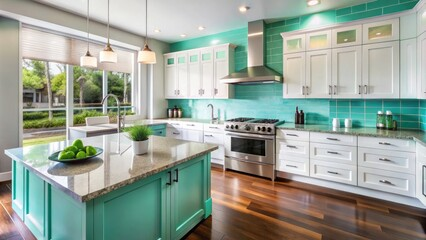
If you wander the paint aisles at your local big box store, you’ll see lots of different options for sheen. Sheen is what determines how durable your cabinets will be.
Choose a satin finish that provides a soft glow and is more resilient than flat or matte finishes. It will hide imperfections well and stand up to everyday wear and tear. Contact Cabinet Painting Sacramento for more details.
Waterborne Alkyd Paints
When choosing paint for your kitchen, you need a product that’s durable enough to withstand splatters, steam, and sticky fingers. It also needs to be easy to clean and maintain. A water-based alkyd like Benjamin Moore Advance is ideal for these demands. Its high-performance formula is self-leveling, meaning it hides brushstrokes and creates a smooth finish. Additionally, it resists moisture and stains and is available in a wide range of sheens from matte to high-gloss. Each sheen offers a different look and level of durability, so consider both your desired style and practicality when selecting a sheen.
The low VOC (Volatile Organic Compound) content of this product makes it healthier to use than traditional oil-based products. This reduces air pollution and prevents negative health effects. In addition, it cleans up quickly and easily with soap and water. Its durability and long-lasting performance make it an excellent choice for both interior and exterior use, allowing homeowners to enjoy their newly painted spaces without worrying about chipping or peeling.
It’s important to remember that while this type of paint is more forgiving than other types, it does require proper surface preparation before applying it. This includes using a strong degreaser and properly sanding the surface to ensure it adheres to the substrate. It’s also crucial to monitor the temperature and humidity of your space as these can affect drying times and the likelihood of bubbles or cracking.
Unlike latex acrylics, waterborne alkyds are more durable and can stand up to a variety of conditions. They’re a great choice for bathrooms and kitchens, where they can withstand humidity and frequent use. However, it’s important to remember that this type of paint can yellow over time in humid environments.
While this may not be a major concern for most homeowners, it’s important to understand the difference between acrylic and alkyd paints before deciding on the right option for your project. The differences between these two formulas influence how the paint is applied, its longevity, and overall appearance.
Chalk Paint
Chalk paint, first developed by Annie Sloan in 1990, is a versatile furniture paint that can be used to give any piece of wood or fabric a rustic, shabby-chic look. It can be used on walls, cabinets, and floors and is ideal for DIY projects because it requires little to no prep work such as priming or sanding. It can also be easily distressed to achieve a vintage or aged finish.
Because chalk paint is water-based, it is easy to clean up and has a much faster drying time than traditional oil-based or alkyd paints. It can be applied to bare or unfinished wood and is available in a variety of finishes, including matte, eggshell, satin, and gloss. It can also be sealed with a wax or polyurethane to increase its durability and protection against wear and tear.
The main difference between chalk paint and regular paint is that it doesn’t need to be primed and only needs one or two coats. It can also hide stains, chips, and scratches better than other paints. It is also thicker than regular paint which minimizes drips and allows for quicker coverage. It’s available in a wide range of colors and can be mixed with other colors to create custom shades.
Unlike other types of paint, chalk paint dries to a matte finish which gives it a beautiful shabby-chic look that is perfect for farmhouse and vintage styles. It is a great option for those who want to keep their cabinets in their home looking pristine but want to update their kitchen’s style. It’s also durable, making it ideal for high-traffic areas like the kitchen.
Although many brands of chalk paint claim you don’t need to sand or prime before painting, it is recommended that you do so as this will help the furniture piece last longer. It’s also important to use a clear shellac or stain blocker before painting as this will prevent tannins from the wood from bleeding through and creating brownish stains under your white paint. This will be especially important if you are using a soft white like the Annie Sloan Pure White.
Milk Paint
Milk paints are a natural, non-toxic and environmentally friendly alternative to traditional latex. They are available in many different colors and mix well with one another to achieve your desired color. They are applied with a brush, roller or sprayed on with a sprayer. They are a great choice for furniture and cabinets that will be used regularly, as they are very durable. Milk paints dry to a matte finish and can be distressed for a more rustic look. They require more prep than chalk-style paints, but they are easy to clean and will last a long time with proper sealing.
Unlike latex or acrylic paints, milk paint is all-natural and made with earth pigments. It comes in a powder form and is mixed with water to achieve your desired consistency. The mix ratio is flexible, so you can easily add more or less water to achieve the perfect look for your project. The resulting finish is a matte and speckled look that can be distressed for a more rustic look.
While the resulting look may not be as smooth as latex paints, it is still an excellent choice for cabinet doors and wood trim and framework. Milk paints are a good choice for pieces that will be handled often, as they will hold up to heavy use and still look beautiful. Because of the durability of these paints, they also do not need to be sealed with a top coat. However, if you want to add extra protection and sheen, you can apply a wax top coat.
To prepare a surface for painting with milk paint, it is important to sand the piece using a fine-grade sandpaper (320 to 400 grit, scotch brite works best). This will help improve adhesion and smoothness. Then, apply a primer to ensure the best results. Once the primer is dry, you can begin painting with milk paints. It is recommended to wait a minimum of 24 hours for the paint to cure before applying any top coats. If you are in a hurry, you can speed up the drying process by using a General Finishes Accelerator or working in a well-ventilated area with a fan blowing on the surface.
Hybrid Paints
Painting cabinets is a cost-effective way to freshen up your kitchen without the full cost of a remodel. However, the results depend heavily on the paint type and sheen you choose. From high-performance acrylics for a durable finish, to water-based alternatives for a low-odor, easy cleanup and safer indoor air quality, there are many options available. Each has its own strengths, limitations and ideal uses.
The most common paint on the market is latex. It dries faster than oil paint and offers a smooth, professional finish. It’s easy to work with and requires minimal surface prep. While it isn’t as tough as alkyd or oil-based paint, it’s perfect for most residential projects.
Water-based emulsion paints are similar to traditional latex in that they use an acrylic polymer as the binder to glue the pigments to the surface. However, unlike oil-based paints, which use harsh chemical solvents, these emulsions evaporate into the air as they dry, leaving behind a clean surface and fewer VOCs in your home. These paints are best for homeowners who want the durability of an alkyd or oil-based paint but prefer a quicker drying time, lower odor and simple cleanup.
Chalk and mineral paints are popular for upcycling furniture or adding a vintage touch to a home decor project. They can be used for cabinets as well, but you’ll need to apply a topcoat to ensure durability. These paints are not suitable for areas that receive a lot of daily wear and tear.
Hybrid paints are a newer solution that offer the durability of an alkyd or oil-based product but without the longer drying times, strong odor and mineral spirits required for cleanup. These hybrid paints can be used in a variety of sheens, but we recommend satin or semi-gloss for the best durability.
Before beginning your cabinet painting project, you’ll need to prepare the surface by cleaning it with a degreaser and sanding the surface. You’ll also need to remove any hardware and label each door and drawer with a number so you can easily reassemble them after your renovation. Finally, it’s important to tape off any areas where you don’t want paint, and cover floors and walls with drop cloths to protect them from splashes and spills.